
Part 2 of 43
The Headstand Test
By Madhav Kaushish · Ages 12+
Crivsola was trying to find observations to choose between the following two models of the human body:
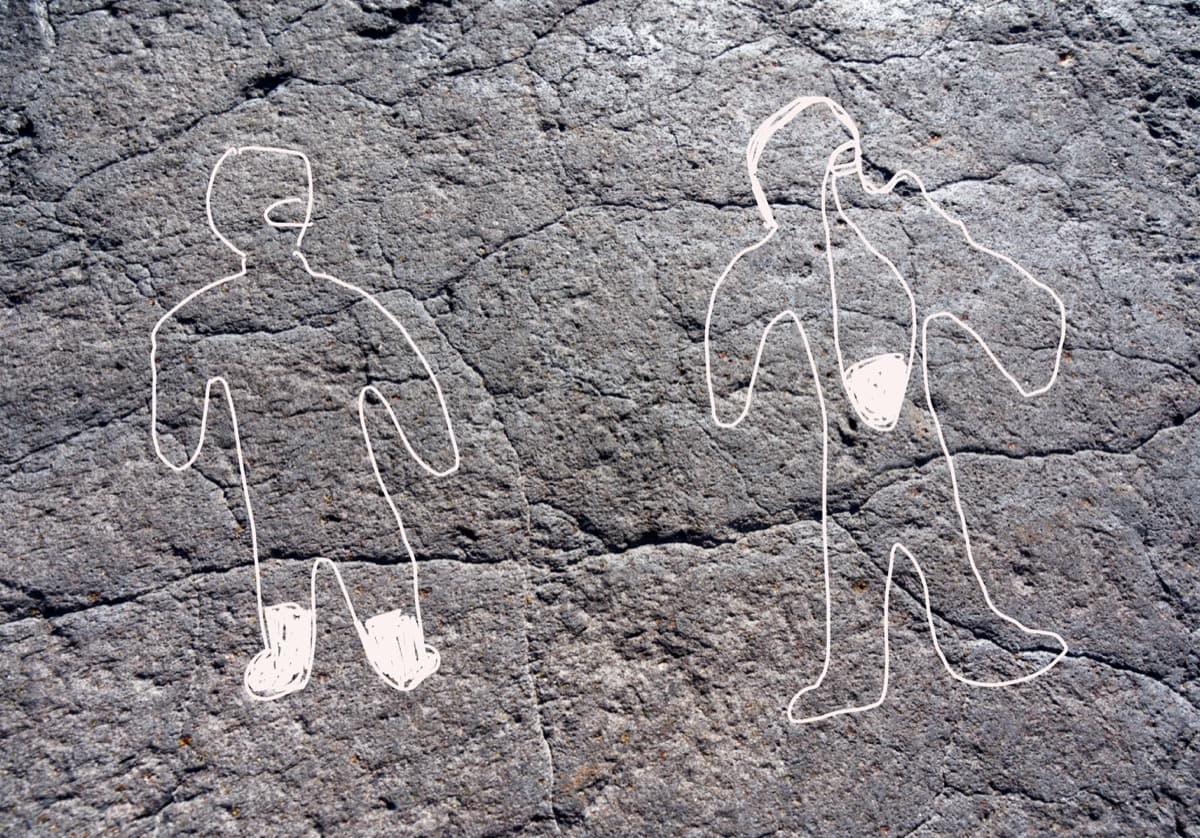
Both were simple, and both were almost certainly incomplete. But rather than choosing between them prematurely, Crivsola adopted a clever strategy.
Shared Predictions
Instead of looking for observations that distinguished between the two models, she decided to start with what they had in common. Both models agreed on one thing: food enters the mouth and falls downward through some kind of passage. This meant both models made the same prediction:
If a person stands on their head, the food should fall back out of their mouth.
This was useful. If this prediction turned out to be wrong, both models would need revision. If it turned out to be correct, she would have confirmed at least the basic mechanism — that food travels downward by gravity — and could then look for observations that distinguished the models further.
The Memory
Crivsola tried to recall whether she had ever seen someone do a headstand after eating. And then she remembered. When she was a child, her father — a large man who enjoyed his food and drink — had once performed a headstand after a particularly heavy meal. And indeed, stuff had suddenly spurted out of his mouth.
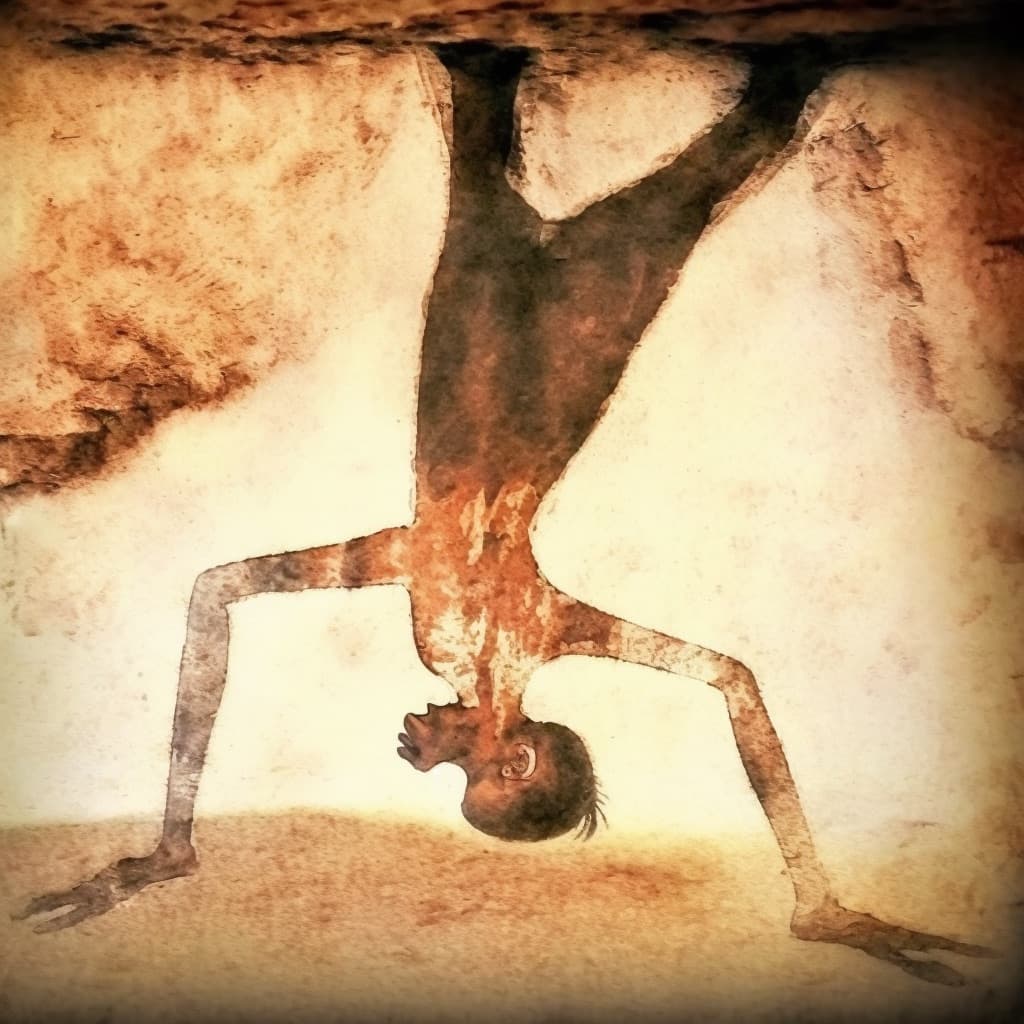
The prediction was confirmed! Or was it?
The Flaw
Crivsola felt uneasy. The observation seemed to confirm the prediction, but her instinct told her something was off. She spent several nights thinking about it.
The problem was this: the claim that "food falls out when doing a headstand" was a claim about all humans. Just because it was true for one person — her father — did not mean it was true for everyone. Her father might have been unusual. Perhaps other humans could do headstands without food coming out.
One observation is not enough to confirm a general claim. To test a claim about all humans, you need to test it on many humans.
Crivsola realised she would need to run an actual experiment — with many subjects, not just one childhood memory. She began planning.